Professional sanitation and food safety professionals in Brampton support restaurants, food centers, baking facilities, warehouses, and mobile food services maintaining standards. They decontaminate regularly touched surfaces, food preparation surfaces, equipment, floors, drains, restrooms, and food handling spaces with approved chemicals, at correct dilution, and recording exposure duration. You need scheduled cleaning determined by risk, food throughput, allergens, and regulatory assessments, along with documented proof backing Hazard Analysis Critical Control Points, audits, and regulatory adherence. The sections below outlines how effective cleaning systems must contain.
Main Points
- Food safety cleaning professionals in Brampton support restaurants, grocery departments, commissaries, warehouses, bakeries, schools, mobile vendors, and allergen-sensitive operations.
- High-touch surfaces, food-contact equipment, kitchens, floors, drains, restrooms, and storage areas are sanitized using sectional methods to eliminate cross-contamination.
- Approved sanitizer dilution, suitability, and contact time are confirmed by certified specialists, with finalization logged via samples, reviews, and action records.
- Effective sanitation schedules account for danger, production volume, format changes, releases, and standards when designating daily, recurring, and periodic operations by section.
- Liability, colour-coded equipment, hazard analysis knowledge, sanitation understanding, WHMIS education, endorsements, and assessment-ready cleaning files are important provider attributes.
What Brampton Operations Require Food Safety Cleaning?
Brampton venues that process, store, prepare, package, or distribute food require sanitation protocols. Implement it if your establishment is covered by health reviews, food regulations, or HACCP protocols. The requirement covers eateries, dining facilities, warehouses, supermarket areas, meat counters, fish departments, retail outlets, and institutional kitchens.
You also need proper hygiene cleaning in supply warehouses, manufacturing facilities, refrigerated storage, bakeries, school feeding programs, reception facilities, and delivery centers. Mobile and seasonal operations count too, including catering vehicles, market vendors, and seasonal stalls. If your staff prepare raw materials, portion finished foods, warm up meals, or maintain allergen storage, your facility needs recorded sanitation procedures. In Brampton, hygiene isn't voluntary; it's part of statutory, business, and public health compliance.
Which Areas Do Brampton Cleaning Experts Cover?
Professional cleaning teams specializing in Brampton disinfect high-contact surfaces, kitchen facilities, floors, and sanitary facilities to satisfy food safety standards and health requirements. Focus on these locations stems from extreme cross-contamination risk, potential for accidents, and possible regulatory violations.
Understanding their cleaning procedures enables you to validate your operation's sanitation satisfies operational demands and regulatory compliance.
Sterilizing High-Touch Points
establish how regularly each point is sanitized
maintaining directional patterns, and keeping separate sanitization equipment organized by zone
Cooking Zones, Walking Surfaces, and Restroom Environments
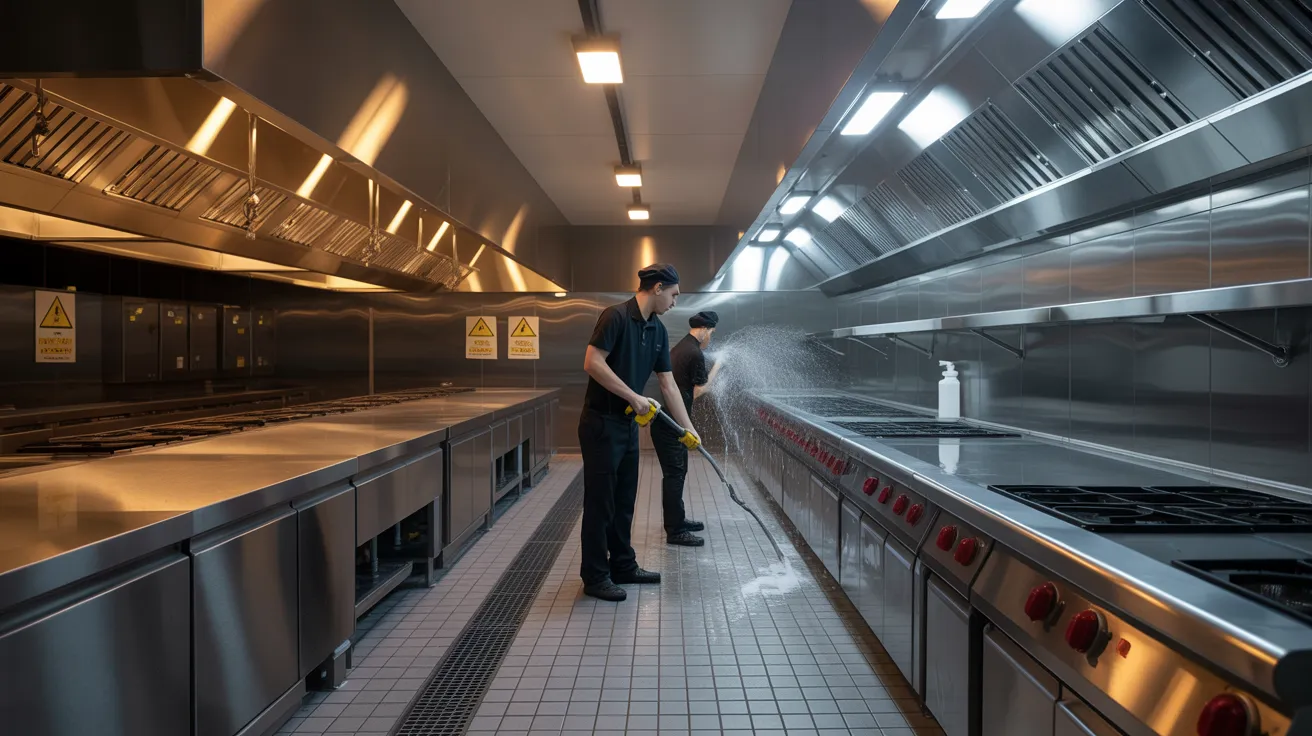
Expect Brampton cleaning experts to target kitchens, floors, and restrooms because each area carries distinct food safety, accident prevention, and public health risks. In industrial kitchens, you need degreasing on cook lines, equipment exteriors, drains, prep surfaces, and splash zones to reduce contamination and pest pressure.
Professional floor care with documentation is also included. is likewise provided as part of the service.
For restroom sanitation, cleaners disinfect touchpoints, fixtures, partitions, dispensers, and waste containers, then replace products and reduce odor. They also service restaurant moprooms, where chemical storage, sink hygiene, and drainage conditions can affect sanitation compliance and staff safety daily.
How Food Safety Cleaning Benefits Brampton Operations
Brampton businesses need to implement proper sanitation practices for meeting legal standards and passing inspections. You also reduce bacterial spread through proper cleaning of food-preparation surfaces, appliances, and frequently-touched items. Most importantly, you safeguard public health by lowering the risk of foodborne illness in your facility.
Sanitary Standards Adherence
Because Brampton food operations operate under rigorous sanitary regulations, food safety cleaning directly impacts your capability to fulfill health code requirements, safeguard customers, and avoid enforcement action. You must maintain clean food preparation areas, verifiable cleaning logs, correct sanitizer application, and documented employee protocols that align with municipal and provincial inspection expectations.
Good hygiene practices facilitates allergen control by limiting particles on mutual appliances and regularly touched locations.
Cross-Contamination Avoidance
Meeting regulatory requirements also depends on your capacity to stop cross-contamination during routine food preparation and sanitation. You must keep raw items away from prepared dishes, clean work areas after each use, and store chemicals away from food-contact items. Established guidelines minimize contamination chances and support consistent compliance during inspections.
Building allergen segregation prevents priority allergens from contacting shared surfaces, containers, or equipment. Utilize dedicated cutting boards, color-coded tools, and strict utensil labeling so team members won't blend products during preparation or service.Mandate hand cleaning following uncooked meats, shellfish, egg items, or allergen substances. Refresh cleaning cloths frequently, and confirm sanitizer strength with test strips. When your team follows these practices each shift, you foster a cleaner, more secure operation that exceeds Brampton's safety standards consistently.
Community Health Protection
When food safety cleaning deteriorate, you don't only face inspection setbacks—you raise the likelihood of food contamination affecting customers, staff, and the larger Brampton community. You also weaken your role in protecting public health, especially in busy food facilities where pathogens travel quickly through surfaces, equipment, and touchpoints.
You must implement sanitation protocols that eliminate contaminants, properly disinfect, and ensure effectiveness. This involves maintaining exposure times, utilizing authorized sanitizers, maintaining records, and coaching staff to meet check this resource health-unit expectations. These initiatives promote pathogen control by suppressing pathogens before contaminating food or hands. In Brampton, robust sanitation protects at-risk groups, minimizes disease spread, and demonstrates accountability. When you adhere to proper protocols, you exceed requirements—you meaningfully lower danger and promote secure food service across the region.
How Can Cleaning Practices Ensure Food Safety Compliance?
Embracing thorough cleaning protocols reinforces food safety compliance by minimizing contamination hazards, managing pathogen expansion, and ensuring your facility complies with sanitation requirements under HACCP-based programs and public health regulations. You validate that contact surfaces remain visibly clean and microbiologically controlled, supporting documented preventive controls and inspection readiness.
Cleaning initiatives additionally amplify allergen management by removing residues that can cause undeclared allergen exposure.
Finding When to Plan Commercial Cleaning
Schedules for cleaning are most successful when created based on risk assessment, output volume, and compliance standards instead of just a fixed calendar.
handled independently
How Do You Choose Brampton Cleaning Experts?
Start by screening providers against food sanitation standards, not price alone. You should verify that each company understands CFIA, public health, and HACCP compliance standards relevant to your facility. Ask for insurance documentation, WHMIS compliance, documented staff training, and supervision practices. Review whether technicians understand contamination prevention, chemical handling, and traceable sanitation records.
Additionally, you need to evaluate operational reliability and responsibility. Obtain references from Brampton food operations, then review service speed, corrective-action procedures, and communication practices. Verify the company supports supplier audits and can deliver inspection-ready documentation when inspectors or external parties need proof. Verify equipment upkeep, color-coded equipment are applied correctly, and location-specific dangers are identified. A qualified provider protects compliance, product integrity, and your reputation.
What's covered in a sanitation cleaning strategy?
Put together a written plan that clarifies every sanitation task, standard, and responsibility ahead of production commencement. You should list cleaning intervals, permitted substances, dilution percentages, exposure times, instruments, and inspection methods for each sector, surface, and equipment. Add pre-operational inspections, corrective actions, and employee training requirements.
Your plan should also cover contamination prevention, garbage management, pest control procedures, and recorded timelines for bathrooms, drainage systems, surfaces, and food-preparation zones. Explain how you'll keep raw and prepared foods apart, enable ingredient tracking, and ensure accurate allergen labeling through validated cleaning between product changes. You should designate accountability, keep signed records, and review results against regulatory standards, HACCP controls, and customer requirements. When gaps appear, revise procedures immediately and retrain staff.
Frequently Asked Questions
Can cleaning services accommodate overnight shifts in Brampton facilities?
Yes, you can book sanitation coverage to support overnight shifts in Brampton facilities. You'll coordinate nighttime cleaning around production schedules, security protocols, and staffing levels. Providers generally create overnight logistics to minimize disruption, stay compliant, and record finished tasks. You should confirm arrival schedules, supervision, lockout protocols, and disposal procedures before starting service.
Do sanitation professionals offer hazard containment services?
Yes, you can discover many Brampton sanitation experts providing spill response options. They handle hazardous incidents, assess dangers, contain affected zones, and initiate rapid cleanup to reduce risk and prevent business disruption. You should verify response rates, certifications, PPE measures, and waste procedures. If your facility must adhere to regulations, select a service that documents events, adheres to standards, and supports verification.
Do eco-friendly disinfectants perform safely on food preparation areas?
In essence, eco-friendly disinfectants remain safe for food-handling equipment provided you choose solutions certified for food use that meet regulatory standards. Verify application timing, dilution ratios, and rinse requirements in advance of use. Botanical formulations decrease harsh chemical exposure, although you must have demonstration of efficacy against harmful bacteria. To keep residue-free areas, implement exact manufacturer guidelines and ensure the cleaning agent adheres to applicable food industry sanitation standards.
Can sanitation programs be customized for production fluctuations?
Without question, maintenance plans customize readily for production fluctuations. Modify intervals, staff levels, cleaning agents, and verification steps to align with seasonal workflows while preserving regulatory requirements. Lower equipment downtime by scheduling sanitization surrounding changeovers, peak seasons, and usage patterns. Further modify SSOPs, training, and monitoring protocols to account for transient threats, emerging allergens, or increased soil loads. Regular reviews maintain your plan efficient.
Are commercial cleaners providing employee instruction on hygiene protocols?
Certainly, professional cleaning experts train your staff on hygiene protocols. You obtain staff training on correct chemical practices, contact times, cross-contamination prevention, equipment disassembly, and documentation procedures. They generally coordinate instruction with HACCP, GMP, and CFIA or regional health bodies standards. Many also run health assessments to verify compliance, uncover shortcomings, and strengthen corrective measures. This enables you to maintain consistent procedures, pass inspections, and minimize foodborne pathogen risks every day.
Final Thoughts
Through engaging Brampton commercial cleaning and food safety experts, you accomplish much beyond organizing—you ensure your facility for inspections and your standards stay aligned with regulations. From kitchen spaces to processing areas, all clean areas and kept corners help prevent pest problems and avoid major losses. Through booking service at proper intervals and sticking to a solid cleaning plan, you safeguard your team, your patrons, and your standing. In a tightly controlled regulatory landscape, proper sanitation cannot be considered optional—they represent good business practice.